
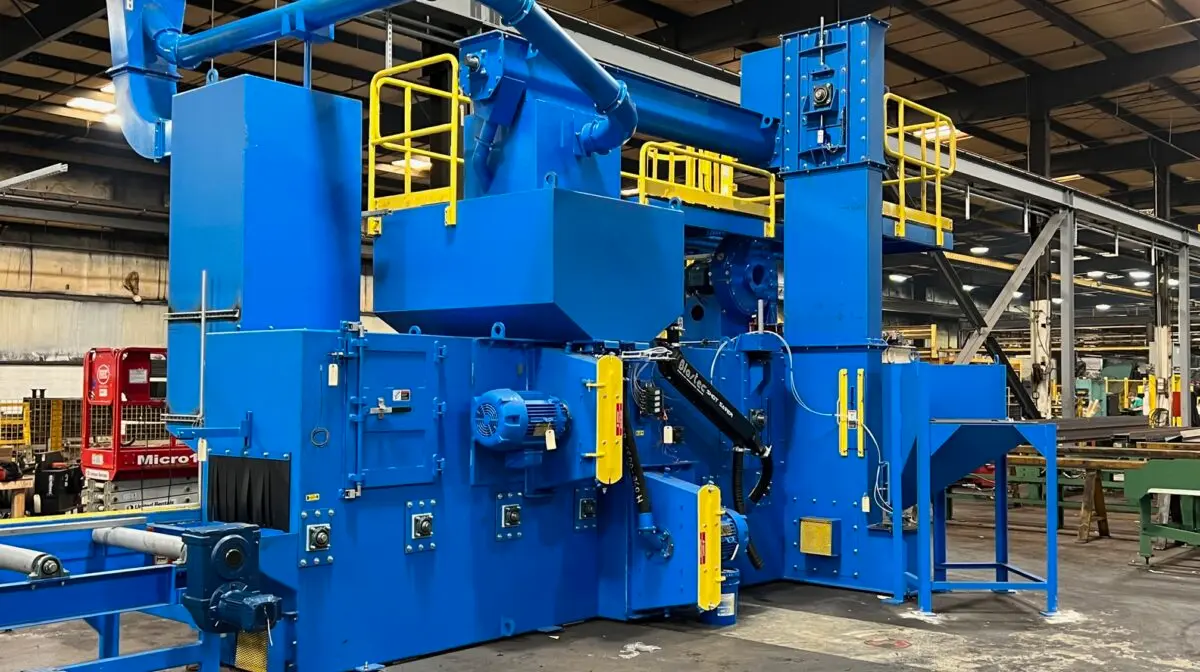
When you look at a perfectly finished metal surface, smooth, clean, and ready for coating, there’s often an unsung hero behind that pristine appearance: the shot blasting machine. Whether you’re in manufacturing, automotive, construction, or heavy engineering, understanding this powerful surface preparation technology can transform your production quality and efficiency.
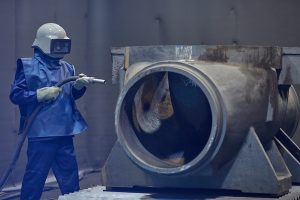
Shot blasting is a mechanical surface treatment process that propels abrasive media at high velocity onto a workpiece to clean, strengthen, or polish its surface. Think of it as giving metal components a powerful, controlled shower of tiny projectiles that strip away impurities and create the perfect foundation for further processing.
Unlike manual grinding or chemical treatments, a shot blasting machine automates this entire process, delivering consistent results at scale. Industries worldwide rely on this technology to prepare surfaces before painting, coating, or assembly, making it an indispensable part of modern manufacturing.
The working principle of shot blasting combines mechanical force with precision engineering. Here’s what happens inside these remarkable machines:
The process begins when abrasive media, typically steel shot, steel grit, or other specialized materials, is loaded into the machine’s storage hopper. This media then travels through a feed system to the blast wheel, which is the heart of the operation. The blast wheel, spinning at incredibly high speeds (often between 2,000 to 3,000 RPM), uses centrifugal force to accelerate the abrasive particles.
As these particles exit the wheel through directional control cages, they strike the workpiece surface at velocities that can exceed 100 meters per second. This impact removes rust, scale, old paint, and contaminants while simultaneously creating a textured profile that enhances coating adhesion. The beauty of this system lies in its efficiency—the same abrasive media is collected, cleaned, and recycled multiple times, making it both economical and environmentally responsible.
Modern shot blasting machines incorporate dust collection systems that capture fine particles generated during blasting, ensuring a clean working environment and compliance with safety standards.
Different applications call for different approaches. Shot blasting machine manufacturers have developed various configurations to meet specific industry needs:
Tumblast Machines handle smaller parts in bulk, tumbling them through the blast stream for uniform coverage. They’re perfect for fasteners, small castings, and components that can withstand some contact with each other during processing.
Spinner Hanger Machines suspend parts from hooks or fixtures that rotate through the blast pattern. This method works exceptionally well for components requiring selective blasting or those with complex geometries that need careful handling.
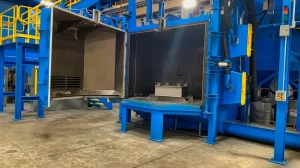
Table Type Machines feature a rotating table where larger components sit stationary while blast wheels target specific areas. These machines excel at processing heavy castings, fabrications, and parts that are too large or delicate for tumbling.
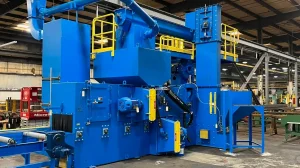
Continuous Through-Feed Machines move workpieces on conveyors through the blast zone, ideal for high-volume production of similar parts like structural steel, plates, or profiles.
Portable Shot Blasting Machines bring the process to the workpiece, commonly used for surface preparation of floors, bridge decks, and large structures that cannot be moved to a stationary machine.
Every shot blasting machine, regardless of type, relies on several critical components working in harmony:
The blast wheel assembly generates the kinetic energy needed for effective cleaning. Quality wheels from reputable shot blasting machine manufacturers feature wear-resistant components and precise balance to ensure consistent performance over thousands of operating hours.
The abrasive storage and feed system meters media flow to maintain optimal blasting intensity. Proper media management directly impacts surface finish quality and operational costs.
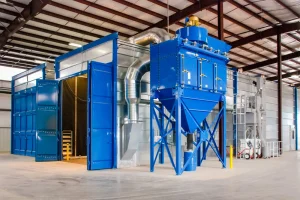
Dust collectors with high-efficiency filters capture airborne particles, protecting both workers and the environment while maintaining visibility inside the blast chamber.
Reclaim systems separate usable abrasive from debris, returning clean media to the cycle while disposing of waste contaminants and worn particles.
The advantages of shot blasting extend far beyond simple surface cleaning. When components undergo this process, they experience several valuable benefits:
Superior surface preparation creates the ideal anchor pattern for coatings, dramatically improving paint adhesion and longevity. Studies show that properly blast-cleaned surfaces can extend coating life by 50% or more compared to inadequately prepared surfaces.
Enhanced durability results from the peening effect of shot blasting, which induces compressive stresses in the metal surface. This strengthens components and increases their resistance to fatigue failure—a critical consideration in automotive and aerospace applications.
Consistent quality across all parts eliminates the variability associated with manual preparation methods. Every component receives identical treatment, ensuring uniform appearance and performance.
Cost efficiency shines through reduced labor requirements, faster processing times, and the recyclability of abrasive media. While the initial investment in equipment may seem substantial, the long-term savings in labor and material costs deliver impressive returns.
Environmental advantages position shot blasting as a cleaner alternative to chemical stripping processes. There are no hazardous chemical wastes to dispose of, and modern machines minimize dust emissions.
Walk into any manufacturing facility that works with metal, and chances are you’ll find shot blasting playing a crucial role:
In the automotive sector, shot blasting prepares chassis components, engine parts, and body panels for painting and coating. The process removes casting sand from engine blocks and creates the perfect surface for powder coating on wheels and suspension components.
Foundries depend heavily on shot blasting to remove sand, scale, and oxide layers from fresh castings, revealing clean metal ready for machining or finishing.
Construction and infrastructure projects use portable machines to prepare concrete surfaces, remove traffic markings, and rehabilitate bridge decks without damaging the underlying structure.
Aerospace manufacturing employs shot blasting for both cleaning and peening operations, strengthening critical components like landing gear, turbine blades, and structural elements.
Steel fabrication shops blast structural members, plates, and weldments to achieve the cleanliness standards required by coating specifications and industry regulations.
Selecting equipment from experienced shot blasting machine manufacturers requires careful consideration of several factors. Your production volume, component size and weight, surface finish requirements, and available floor space all influence the optimal configuration.
Working with manufacturers who offer comprehensive support, from initial consultation through installation, training, and ongoing maintenance, ensures you maximize your investment. Companies like Wewin Finishing Equipments bring decades of expertise to help you specify the right solution for your specific needs.
Consider whether you need standard equipment or custom-engineered systems designed around your unique parts and processes. The best manufacturers offer both, along with the engineering capability to optimize machine performance for your application.
Like any industrial equipment, shot blasting machines require regular maintenance to deliver consistent performance. Establishing a preventive maintenance schedule for blast wheels, media circulation components, and dust collection systems prevents unexpected downtime and extends equipment life.
Media selection impacts both surface finish and operating costs. Different materials and sizes suit different applications—steel shot produces a smooth, peened surface while angular steel grit cuts more aggressively for heavy cleaning. Consulting with your equipment supplier helps identify the optimal media for your requirements.
Operator training cannot be overlooked. Properly trained personnel maximize machine efficiency, ensure workplace safety, and maintain the quality standards your customers expect.
Implementing shot blasting technology represents a significant decision for any manufacturing operation. Beyond the equipment itself, consider the total value proposition: improved product quality, enhanced productivity, reduced labor costs, and the competitive advantage of consistently excellent surface preparation.
The right shot blasting machine, properly specified and maintained, becomes a workhorse that serves your operation reliably for decades. When you partner with established manufacturers who stand behind their products with comprehensive service and support, you’re not just buying equipment—you’re investing in a long-term production solution.