Shot blasting is the backbone of surface preparation in modern manufacturing. From removing rust and mill scale to achieving precise surface profiles for coatings, the right shot blasting machine determines your production quality, cost-efficiency, and turnaround time.
Whether you’re in automotive, steel fabrication, foundry, or infrastructure, here are the top 5 shot blasting machines every manufacturing industry should know about.
1. Wheel Blasting Machine (Tumble Blast / Spinner Hanger)
Best for: Foundry castings, automotive components, small to medium fabricated parts
The wheel blast machine uses a high-speed rotating impeller wheel to propel abrasive media (steel shot or grit) at components at high velocity. It’s the most energy-efficient blasting method, no compressed air needed.
Ideal industries: Foundries, forging plants, automotive component manufacturers
2. Roller Conveyor Shot Blasting Machine
Best for: Structural steel, H-beams, plates, pipes, and long profiles
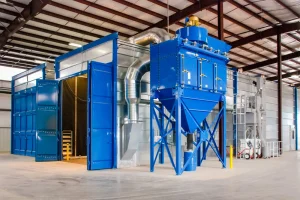
The roller conveyor blast machine is designed for continuous processing of heavy structural components. Parts are fed through the blast cabinet on a roller conveyor system while multiple blast wheels simultaneously treat all surfaces.
Ideal industries: Steel fabrication, shipbuilding, construction material suppliers
3. Airless Shot Blasting Machine (Portable / Skid-Mounted)
Best for: Floors, bridges, ship decks, large surfaces on-site
When the component can’t come to the machine, the machine goes to the component. Portable airless blast machines are engineered for on-site surface preparation on concrete floors, steel decks, and large flat surfaces.
Ideal industries: Civil construction, port infrastructure, maintenance services
4. Hanger (Hook) Type Shot Blasting Machine
Best for: Large fabricated structures, welded assemblies, heavy machinery frames
The hanger-type shot blasting machine suspends components from an overhead hook or rail system inside the blast chamber. Multiple blast wheels provide all-around abrasive coverage, critical for complex geometries and hollow structures.
Ideal industries: Heavy engineering, rail wagons, wind energy tower manufacturing
5. Drum (Tumble) Blast Machine
Best for: Small batch parts: castings, stampings, fasteners, forgings
The drum blast machine tumbles small components inside a rubber or steel drum while abrasive media blasts them from multiple angles. It’s a workhorse for high-volume batch cleaning.
Ideal industries: Fastener manufacturers, casting units, hardware production
How to Choose the Right Shot Blasting Machine
Choosing the wrong machine leads to incomplete surface preparation, rejected coatings, and costly rework. A consultation with an experienced shot blasting equipment manufacturer helps you select the right configuration from day one.
Why Choose WeWin for Shot Blasting Equipment?
At WeWin, we engineer shot blasting machines built for Indian and global manufacturing environments — combining durability, blast efficiency, and after-sales support that keeps your line running.
Our product range covers all major machine types: roller conveyor, hanger type, tumble blast, and custom configurations for specific production requirements.
Frequently Asked Questions
What is the difference between shot blasting and sandblasting?
Shot blasting uses mechanical wheel-propelled steel abrasives in a closed system. Sandblasting uses compressed air to propel abrasive — it’s less efficient, more wasteful, and not suitable for high-volume industrial use.
Which shot blasting machine is best for structural steel?
The roller conveyor shot blasting machine is the industry standard for structural steel profiles and plates, delivering continuous Sa 2.5 surface finish required before painting or coating.
How long does a shot blasting machine last?
A well-maintained shot blasting machine from a quality manufacturer lasts 15–25 years. Key wear parts like blast wheels, liners, and deflector blades are replaceable to extend machine life.
Does WeWin provide installation and training?
Yes — WeWin provides complete installation, commissioning, operator training, and annual maintenance contracts for all machines supplied.